 FR
 EN
 ES
 IT

Caring for and nourishing car leather: double the lifespan of your seats!
The facts are technical: acidic perspiration, repeated friction and the greenhouse effect are the mortal enemies of your upholstery. Unlike sofas, car leather is subjected to extreme mechanical stress.
Without an oil able to penetrate the interfibrillar space, it ends up stiffening, cracking and tearing.
At Sofolk, a French manufacturer for more than 30 years, we offer you a corrective and preventive approach, far from ineffective old wives' remedies.
Our products for nourishing the leather seats in your car
-
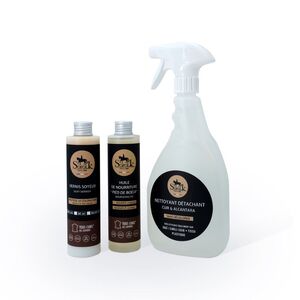 −20 %
LEATHER CARE SET3 essential products for professional leather care
59,97 €47,98 € View product -
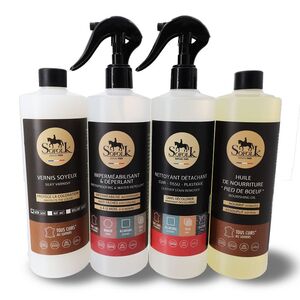 −20 %
Christmas gift set Leather interior care for carsSpecial offer until 31/12/2023
79,96 €63,97 € View product -
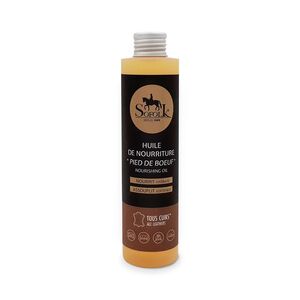 Nourishing oil leather car seatNourishes and softens the leather of your car seats, including crackled leathers
19,99 €
View product
-
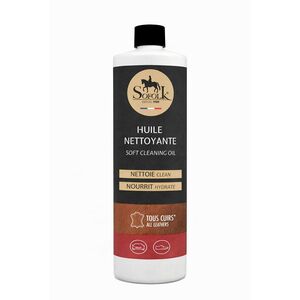 SOFT CLEANING OIL FOR LEATHER CARCleaner, degreaser for leather car seats
19,99 €
View product
-
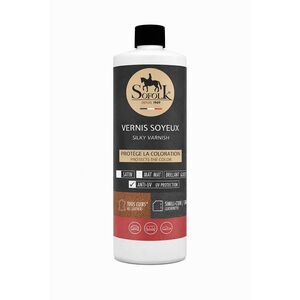 Leather varnish for car seatNew: ANTI-UV protection available
20,99 €
View product
-
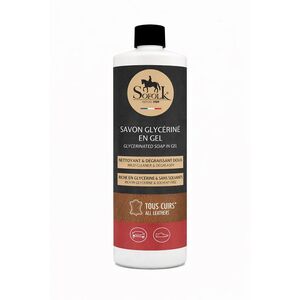 GLYCERINE GEL SOAPGentle degreasing cleaner for leather
9,99 €
View product
-
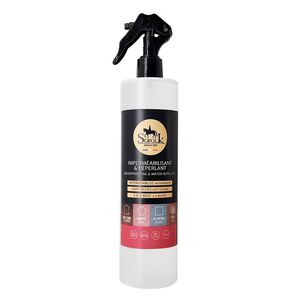 WATERPROOFING WATER REPELLENT ANTI-STAIN LEATHER AND FABRICIdeal for the maintenance of leather and fabrics
24,99 €
View product

Why does the leather in your car deteriorate?
Premature wear of the outer bolster of the driver's seat and of the steering wheel is common. Why?
-
Depletion of the oils: with each use, a small amount of oil is used up.
-
Attack on the lacquer: friction (jeans, belts) wears away the lacquer, exposing the grain of the leather.
-
Grime build-up : sebum and dust clog the pores, stopping the leather from breathing and speeding up wear.
The Sofolk field truth: do not delay cleaning. Shiny leather is dirty leather. Stiff leather is thirsty leather.
The three-step care routine
For an optimal result, respecting the chemistry of leather is essential. Follow these steps to restore its original appearance and comfort.
For an optimal result, respecting the chemistry of leather is essential. Follow these steps to restore its original appearance and comfort.
Step 1: Cleaning (cleaning without damaging)
Do not nourish dirty leather: the product will not penetrate. Clean first.
For light maintenance (twice a month), use our gentle cleaner or the cleaning oil.
For grimy leather: use the powerful cleaner / stain remover or the glycerine soap. Brush with a soft-bristled brush.
The Sofolk tip: before using any product, vacuum thoroughly in the creases and seams so that sand does not abrade the material.
Find all our leather cleaners without delay!
Step 2: nourishment (the vital step)
This is where Sofolk stands out.
The product: the nourishing oil (neatsfoot-oil type).
Why not use baby lotion? Contrary to popular belief, body lotion stays on the surface and goes off, damaging the seams. Our oil penetrates deeper into the fibre.
Frequency: three times a year, to regain suppleness and strength.
Step 3: protection (the shield)
After cleaning and nourishing the leather, it must be sealed.
The product: silky lacquer (matt, satin, gloss).
Action: restores the protective barrier against UV rays and friction, thereby preventing depigmentation and giving a silky feel.
Protect the leather interior of your car with our range of products.
|
What to do |
What to avoid at all costs |
|
Tannery-quality oil penetrates the dermis. |
Moisturising cream / baby lotion: stays on the surface, clogs, risk of mould. |
|
A cleaner specific to leather respects the acidic pH of leather. |
Alcohol, solvents and household detergents dry it out instantly and burn the lacquer. |
|
Seal cracks before they become holes. |
Sharp objects: keep keys from scratching the seat. |
The Sofolk range: the expertise
We are manufacturers, not resellers, based in the Gironde.
- Complete kits: a turnkey solution to get started.
- Nourishing oil: our best-seller for rescuing stiff leathers.
- Silky lacquer: invisible, durable protection.
Need a made-to-measure diagnosis? Every leather is different. To determine the right product, send us a photo of your seats. We will assess their condition (smooth, perforated or full-grain leather).
Frequently asked questions: how to care for your car’s leather
Why is my leather sticky and shiny?
It is a sign of soiling by sebum and pollution. Leather should be matt and silky.
Before any care, use the cleaner / stain remover or the glycerine soap with a soft brush to "lift off" the layer of grease.
How do you clean perforated leather (ventilated seats) without blocking the holes?
Avoid thick creams, which can leave unsightly white residues and prevent ventilation.
Use our care oil, specially designed to penetrate the fibres quickly without building up. Apply it gently with a microfibre cloth, and avoid direct contact with the leather.
I have cat scratches or light cracks: is the oil enough?
The oil will stop the bleeding (the drying out), but it does not "weld" the leather.
For surface scratches where the colour has gone, the oil will darken the area (which shows that the leather is drinking it in). To repair it visually, you will need to use our repair paste (healing glue) followed by a light recolouring. These items can be found in our renovation kits.
Which lacquer should I choose: matt, satin or gloss?
Most modern cars have a matt or satin lacquer. "Gloss" is rarely seen on recent cars.
Choose the satin silky lacquer to stay true to the manufacturer's original and avoid the "plastic" effect.
What is the difference with a "steam cleaner"?
Steam is water heated to over 100 °C, which is very dangerous for car leather.
- Thermal shock: it can make the leather shrink instantly.
- Lifting: moisture can melt the glue and make the leather come away.
Nothing replaces manual cleaning with a pH-balanced product, such as those in the Sofolk range.
With Sofolk, car leather renovation has never been so easy!


