FR
 EN
 ES
 IT

FAQ DEGREASE THE LEATHER
Frequently asked questions about preparing leather before recolouring
Why sand leather before recolouring?
Sanding is a mechanical action that removes the original varnish, which could interfere with the dye. It also restores a certain porosity so that the pigments adhere better and penetrate into the leather.
Sanding the leather should be quick and light (the weight of your hand). It must be carried out on all the areas to be recoloured.
Why degrease leather with acetone before recolouring?
Acetone is a very effective solvent. It will degrease thoroughly (sebum stains, household pollution), but will also remove certain unwanted products that you or someone else may have applied.
We have validated our renovation process with acetone, so it is essential to use acetone only and not another product that you might consider a useful substitute.
Degrease all the parts to be recoloured using clean kitchen paper. The dirtiest areas will need 2 or 3 passes (armrests, headrest areas, steering wheel), while the other areas will only need one pass.
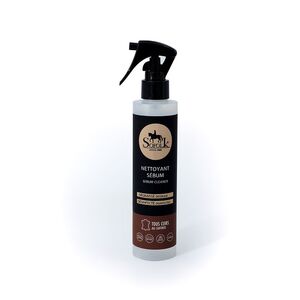
Where there is a lot of sebum, please also use our sebum cleaner, which is less aggressive than acetone but very effective. It will allow you to go over the affected areas many times without damaging the leather.
White marks or faded areas appear as it dries after degreasing; is this normal?
Yes, acetone is a product that removes colour! Do not worry: your leather will be recoloured and it will no longer show
When should I sand the leather? Before or after the acetone?
We recommend sanding the leather first. The acetone will remove the dust embedded in the leather; take care to wait until the leather is dry.