


How do you clean a leather sofa without damaging it?
A leather sofa is at the heart of living-room life. You sit on it every day, skin, hair and hands leave sebum on it, dust settles on the surface and the sun's rays gradually dull the colour. The result: the leather gets dirty, darkens where it is touched and loses its original radiance.
The good news: cleaning a leather sofa yourself, without damaging it, is within everyone's reach with the right techniques and the right products. Since 1989, Sofolk has been a French manufacturer that formulates its leather cleaners with the same raw materials as tanneries.
This guide first shows you which cleaner to choose depending on the type of dirt, then the complete method, from simple dusting to a very dirty, grimy leather sofa.
Which products should you use to clean the leather of your sofa?
Before rubbing anything, identify the nature of the dirt: it determines the right product and the right technique. Routine cleaning, a stubborn stain and a sebum mark are not treated in the same way.
- Light dirt and dust: for regular leather cleaning, the 2-in-1 cleaning oil that cleans and rehydrates the leather, or the glycerine soap, is enough. They remove grime gently without drying out the material.
- Stubborn stains (coffee, pen, wine): the spray cleaner / stain remover for sofa leather lifts out ingrained dirt without fading the surface.
- Greasy stains and sebum on the armrests and headrest: the Sebum Cleaner dissolves and extracts the grease that the leather has absorbed.
- White or light leather: choose gentle products that leave no marks, and always test on a hidden area.
For routine cleaning, our gel glycerine soap, rich in vegetable glycerine and with no risk of fading, remains the basic step for cleaning a leather sofa. It plays a role similar to Marseille soap, but is formulated for leather.
OUR LEATHER SOFA CLEANERS
-
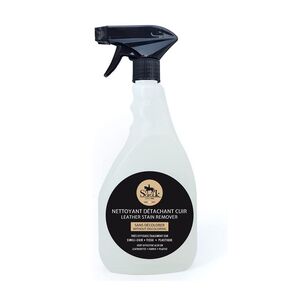 Powerful leather stain removerLeather, faux leather, nubuck, Alcantara, fabric, plastic, stainless steel, aluminium…
14,99 €
View product
-
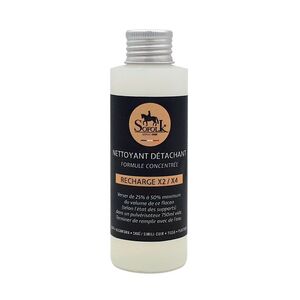 CONCENTRATED LEATHER CLEANER (REFILL)New
9,99 €
View product
-
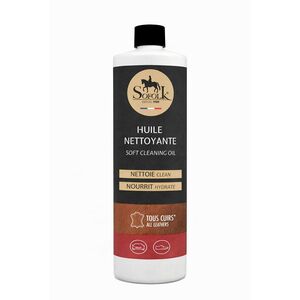 SOFT CLEANING OIL FOR LEATHER SOFACleaner, degreaser for leather sofa
19,99 €
View product
-
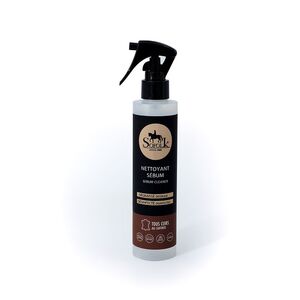 Sebum cleaner: powerful leather degreaserPowerful degreaser based on surfactants
12,99 €
View product
-
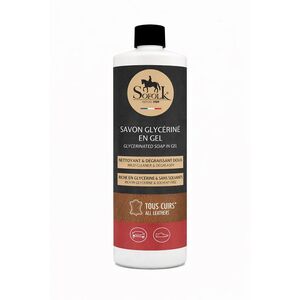 Glycerine leather soap: gentle cleaner for sofas, saddlery, shoesGentle vegetable glycerine cleaner, solvent-free
9,99 €
View product
-
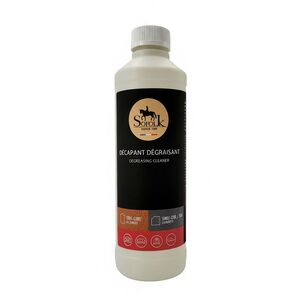 −23 %
Leather stripper: degrease and strip before painting leatherTechnical-grade acetone, purer and more powerful
12,99 €9,99 € View product -
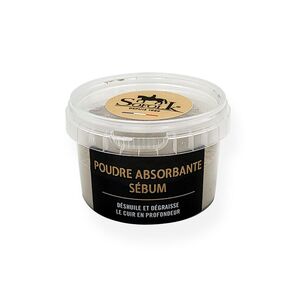 Sofolk Sebum Absorbing Powder - Natural Leather DegreaserPowerful natural degreaser
11,99 €
View product
-
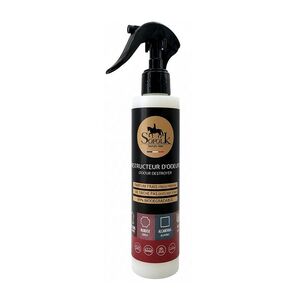 High-Performance Odour EliminatorNeutralises organic odours at the source, without masking them
12,99 €
View product

Which product should you use to clean your leather sofa, depending on the problem?
This table matches each need with the right cleaner for the leather of your sofa.
Correspondence between cleaning need and recommended Sofolk product| Need | Product | Action | Benefit |
|---|---|---|---|
| Routine cleaning, dust | Cleaning oil or glycerine soap | Wipe with a soft cloth, using circular movements | The leather stays clean, supple and moisturised |
| Stubborn stains (coffee, pen, wine) | Cleaner / stain remover | Spray, leave for 2 minutes, wipe off | The stain comes out with no halo or fading |
| Greasy stains, sebum on the armrests and headrest | Sebum Cleaner and absorbent powder | Dissolve the grease, absorb by capillary action | The leather stops darkening where it is touched |
| Delicate white or light leather | Glycerine soap, concentrated cleaner | Clean in small areas, without excess water | Light colour revived, without yellowing |
For the most ingrained grease marks, the sebum absorbent powder, a natural solvent-free degreaser for smooth leathers, draws out sebum by capillary action. It is the professional equivalent of fuller's earth, but designed for leather.
How do you clean a very dirty or grimy leather sofa?
If your sofa is dirty but not damaged, methodical cleaning will restore its radiance. Follow these steps in order to clean a grimy leather sofa safely.
Step 1: dust the leather sofa
Using a soft, slightly damp cloth, a chamois leather or a vacuum cleaner with its brush attachment, remove the dust from the whole surface of the sofa. This first pass avoids scratching the leather by rubbing grains of dust against the material afterwards.
Step 2: clean the leather according to the stain
Apply the glycerine soap with a clean cloth, using circular movements, without making the cloth too wet and without any alcohol-based product.
For stubborn marks, apply the cleaner / stain remover: spray, leave for 2 minutes, wipe with a lint-free cloth, then repeat if necessary.
Always leave to air-dry: never speed up drying with a heat source, which would harden the leather. If the leather is scratched or cracked, start with repairing the leather of your sofa before any other treatment.
Step 3: treat sebum in depth
Sebum settles at the nape of the neck, on the armrests and on the edge of the seats. Apply the Sebum Cleaner, which dissolves ingrained grease without fading the leather, repeating the process as sebum is stubborn.
If the cushion cover can be removed, also clean the flesh side of the leather. The absorbent powder gives better results than talc or fuller's earth.
Once the leather has been degreased, subsequent treatments adhere to the material much better.
Step 4: nourish and protect the leather after cleaning
Deep cleaning can dry out the leather. Nourish it generously to restore its suppleness and resistance: it takes about 15 days for the nourishing oil to be fully absorbed into the fibres.
Then remember to protect the surface of your sofa against friction and stains, and to care for the leather of your sofa regularly, once a quarter.
If the leather is faded or heavily marked, recolouring the leather of your sofa will make it look as good as new.
Special case: cleaning a white or light leather sofa
A white or beige leather sofa is less forgiving of mistakes: too much water or an unsuitable product leaves halos and turns the colour yellow.
Clean in small areas with the glycerine soap or the concentrated cleaner, without soaking the leather, and wipe straight away.
Test on a hidden area first. On very grimy light leather, cleaning alone is not always enough: targeted recolouring then revives the original colour.
For the exact shade, send us a sample of the leather of your sofa so we can make a bespoke colour.
Why choose Sofolk's expertise to clean your leather sofa?
Since 1989, Sofolk has developed its products with the same raw materials as tanneries and manufactures them in France. This tannery quality guarantees a deep clean that respects the material of your leather sofa.
Our cleaners are simple to use and accessible to everyone. For a question or a delicate renovation, technical support will answer you by telephone Monday to Thursday, from 10am to 12.30pm and from 1.30pm to 6pm, and on Friday until 4.30pm, and you can send photos of your sofa on our forum for a diagnosis.
Colour charts are available and you can send us a sample to find the exact pigmentation of your leather.
This expertise, praised in several interior design magazines, is built on more than thirty years of know-how in the service of leather.
To go further, see our complete guide to caring for leather through the seasons or the whole of our range dedicated to the complete renovation of your leather sofa.
Frequently asked questions: cleaning a leather sofa
How often should I clean the leather of my sofa?
A light clean roughly every three months is enough to maintain a leather sofa, with the glycerine soap or the cleaning oil. Regularly cleaned leather breathes, keeps its colour and ages much more slowly. Add a more thorough clean once or twice a year.
Why does my leather darken at the headrest and armrests?
This darkening comes from sebum, the natural grease of skin and hair, which builds up where the leather is touched and gradually breaks down its surface. Treat these areas with the Sebum Cleaner and the sebum absorbent powder, repeating the process until the marks disappear.
Can I clean with Marseille soap, white vinegar or bicarbonate of soda?
These home remedies carry risks for leather: pure Marseille soap and bicarbonate of soda dry out the material, and white vinegar can attack the protective lacquer and leave halos. Choose the glycerine soap, formulated for leather, and dedicated cleaners that are safe for the colour.
Do I need to nourish the leather after cleaning?
Yes. Cleaning can dry out the leather, especially a deep clean. Then apply the nourishing oil to restore suppleness and prevent cracking. Allow about 15 days for it to be fully absorbed into the fibres before any other treatment.
What should I do about a pen or wine stain on a leather sofa?
Act quickly. Apply the cleaner / stain remover locally: spray onto the stain, leave for 2 minutes, then wipe with a soft, lint-free cloth. Repeat if necessary. If the mark persists on coloured leather, a colour touch-up may help.
Are your products suitable for white or light leather sofas?
Yes. The glycerine soap and the concentrated cleaner clean white and light leathers without leaving marks, provided you don't soak the material and test first on a hidden area. On very heavily marked light leather, recolouring revives the original colour without yellowing.


