 FR
 EN
 ES
 IT

Cleaning your leather shoes: stains, dirt and odours
A pair of leather shoes gets dirty every time you go out. Pavement dust, winter salt, mud and splashes of grease cling to the surface, dull the colour and end up working their way into the fibres of the leather.
Regular cleaning is nevertheless enough to restore their shine, provided you choose a product suited to this material and follow a few simple steps.
Cleaning remains the first step, and very often the only one needed, before you consider completely renovating your leather shoes by dyeing or repairing them, two heavier interventions that regular care can most often avoid.
Our products for cleaning your leather shoes
-
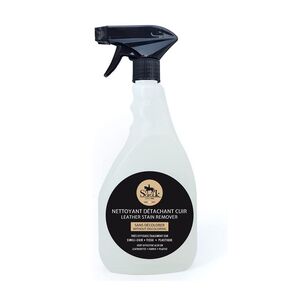 Stain Remover Cleaner for Leather Shoes
14,99 €
View product
-
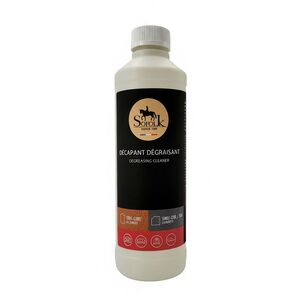 Leather Stripper and Degreaser – Preparation before DyeingPrepare the leather before re-dyeing
12,99 €
View product
-
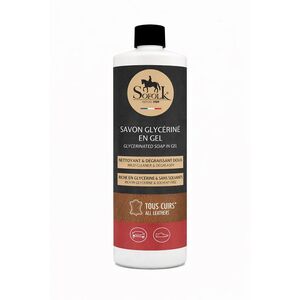 GLYCERINE GEL SOAPGentle degreasing cleaner for leather
9,99 €
View product
-
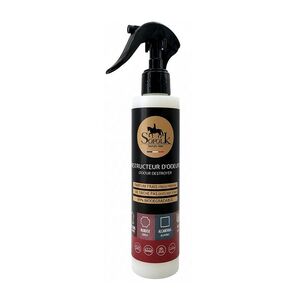 High-Performance Eco-Friendly Odour EliminatorEffectively eliminates organic odours
12,99 €
View product
Which cleaner should you choose for each type of dirt?
Each type of dirt calls for a different product. Dust and light dirt come off with a gentle treatment, an ingrained grease stain needs a degreaser, and a persistent odour is treated separately.
Find your case in the table below.
| Type of dirt or need | Sofolk product | In brief |
|---|---|---|
| Everyday care, dust, light dirt | Glycerine soap gel | Gentle cleaning, rich in glycerine, no risk of discolouration |
| Ingrained stains, grease, winter salt, mud | Stain remover | Powerful degreaser, removes stains deeply without leaving a ring |
| Bad odours | Odour eliminator | Neutralises organic odours at the source, without staining |
The Glycerine soap gel is the everyday go-to: its formula rich in vegetable glycerine cleans gently, produces little foam and can be diluted up to one part soap to five parts water.
Keep it for smooth leather and faux leather: it is not suitable for velvet-finish leathers such as suede and nubuck.
For a stubborn stain, set grease or a trace of winter salt, switch to the stain remover, a more powerful degreaser that lifts dirt without discolouring the material or leaving a ring.
When it is the smell that bothers you, perspiration or damp trapped in the lining, the odour eliminator attacks the organic compounds at the source rather than masking them, and is over 99% biodegradable.
One last product goes with this page, the leather stripper and degreaser, but it is not for everyday cleaning: it strips the material bare to prepare the leather of your shoes before dyeing.
Keep it for this occasional use, because its action deliberately removes the colour from the surface.
Cleaning leather shoes in 4 steps
Whichever cleaner you choose, success depends on the order of the steps far more than on the force you use. Here is the procedure, from dusting to drying, for a dirty pair.
Step 1: dust the surface
Run a soft brush or a dry cloth over the whole shoe, not forgetting the seams and the flex crease where dust builds up.
Removing this dry grit avoids scratching the leather as soon as you start rubbing with a damp product.
Step 2: test the product on a hidden area
Apply a dab of cleaner at the back of the heel or under the tongue, then check that the colour does not run.
This one-minute habit protects you from visible discolouration on the upper of the shoe.
Step 3: apply the cleaner
With glycerine soap, work with a sponge or a soft, barely damp cloth, in circular movements, section by section.
With the stain remover, spray onto a microfibre cloth or directly onto the stain and leave to work for ten seconds to one minute.
On stubborn dirt, go back over it with the soft brush, without ever scraping the surface.
Step 4: wipe off and leave to dry
Remove the product and any residue with a clean, dry cloth, in microfibre or cotton.
Then leave to dry in the open air, at room temperature, away from a radiator or a hairdryer, whose heat would harden the leather and open the door to cracks.
White shoes, loafers and ankle boots: special cases
White leather shows the slightest mark and quickly turns yellow if you overdo the product. Work with small amounts, dab the mark with the stain remover rather than rubbing, then wipe immediately: two light passes are better than a single heavy one that would leave a halo.
Loafers, often worn without socks, concentrate perspiration: a gentle clean with glycerine soap followed, if needed, by the odour eliminator puts them right again.
Ankle boots, for their part, need the same attention on the shaft and the creases as on the toe and heel, the areas that pick up the most mud.
Some pairs hide, beneath the dirt, a flaw that only cleaning brings to light. When the time comes, it is better to repair the leather of your shoes before applying any nourishing treatment, because a product applied over an open cut only masks it.
Unlike soap and stain remover, the Cleaning Oil rehydrates the leather as it cleans it, two to three times a year.
To go further, think about nourishing and moisturising the leather of your shoes after cleaning, a separate step that preserves the suppleness of the leather and spaces out deep cleans.
Why choose Sofolk to clean your leather shoes?
For over thirty years, Sofolk has designed its leather care products in France, near Bordeaux.
This experience shows first of all in the formulation: our cleaners are designed to remove grime without discolouring, without drying out the grain of the leather or leaving a ring on the treated areas.
Leather cleaned with the right product keeps its original colour and suppleness, whereas an unsuitable degreaser leaves a lasting mark on the material.
This mastery of formulas explains why a single range covers both gentle maintenance cleaning and the treatment of the most stubborn stains, on smooth leather as well as on faux leather.
You clean your shoes at home, with exactly the right product for each type of dirt, and extend the life of your favourite pairs accordingly.
Frequently asked questions about cleaning leather shoes
How do you clean stained leather shoes?
First identify the stain. For grease or a trace of winter salt, dab it with the stain remover using a microfibre cloth, leave to work for up to a minute, then wipe without rubbing.
For light dirt, the glycerine soap gel, applied gently, is enough. Always test on a hidden area before treating the rest of the shoe.
How do you clean white leather shoes without turning them yellow?
White turns yellow when the product saturates the leather. Work with small amounts, dab the mark rather than rubbing it, then immediately remove the residue with a clean, barely damp cloth.
Two light passes are better than a single heavy one. Then leave to dry in the open air, never near a heat source, which would accentuate the yellowing.
How do you remove a bad smell from leather shoes?
Odours come mainly from perspiration retained in the lining. The odour eliminator neutralises these organic compounds at their source, instead of covering them with a fragrance, and dries without leaving a stain.
Spray it inside the shoe, leave to work, then air the pair at room temperature before wearing it again.
What should you use to clean leather shoes without damaging them?
A mild soap such as the glycerine soap gel, applied with a barely damp cloth, is suitable for everyday care of smooth leather.
Keep the stain remover for stubborn stains. On the other hand, avoid solvents, excess water and harsh home remedies, including vinegar, which dry out the leather and weaken its finish with repeated applications.
How often should you clean your leather shoes?
Dusting with a cloth after each wear is enough to limit build-up of dirt.
Allow for a more thorough clean once or twice a month for a pair worn daily, less often for occasional use.
Treat any grease, mud or salt stain without delay: the longer dirt stays, the more it works its way into the grain of the leather.


