 FR
 EN
 ES
 IT

Car plastic repair: cracked dashboard, scratched bumper, broken trim
Over time, the various parts of a car can wear to a greater or lesser extent. This is particularly true of plastics, both outside and inside. To prevent premature wear or to repair damaged areas, you need to use the right products.
Sofolk offers premium products for repairing car plastic. Whether on the bumper, the dashboard or any other part, you can easily apply our repair products. Whatever the colour and type of plastic, you will find the right equipment to restore your vehicle's original shine.
Our car plastic repair products
-
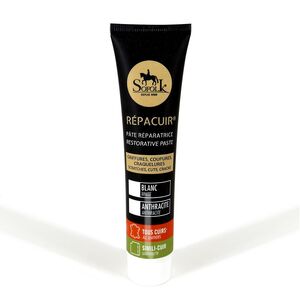 Flexible repair filler for plasticsRépare éraflures, fissures et manque de matières sur la plupart des plastiques
14,99 €
View product
-
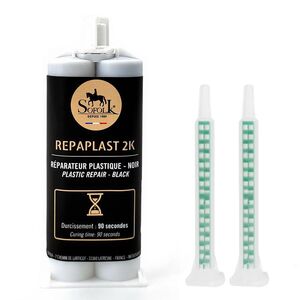 REPAPLAST 2K Black – Fast-curing plastic repair compound with high adhesionQuick repair in 90 seconds, sandable in 10 minutes
29,99 €
View product
-
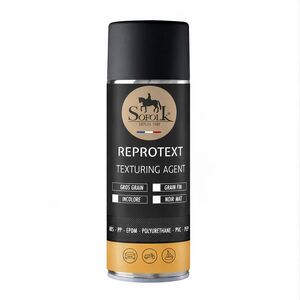 REPROTEX: TEXTURING AGENT FOR A REALISTIC AND DISCREET FINISHIdeal for restoring the original appearance after repairs
28,80 €
View product
-
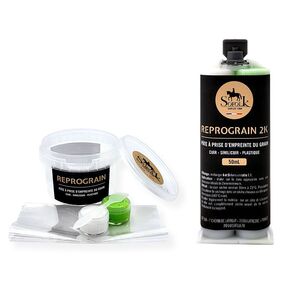 REPROGRAIN: PASTE FOR REPRODUCING GRAIN IMPRINTSFaithfully reproduces the grain pattern
19,99 €
View product
-
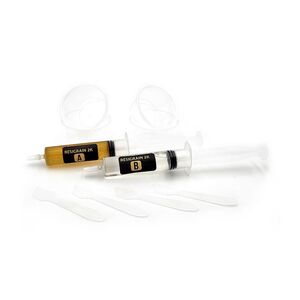 RésiGrain - Resin for grain reproductionUltra-fine reproduction of the original grain of leather or imitation leather
29,99 €
View product
-
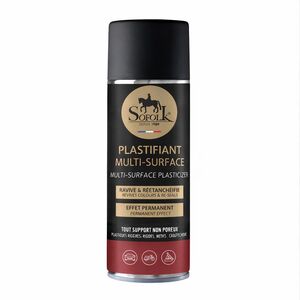 Multi-surface plasticizerPermanent effect!
19,99 €
View product
How do you repair the plastics in your car?
Car plastic is a material that can easily be damaged by knocks, but also by the sun, which tends to fade the original colour. To remedy this, we have developed a whole range that allows you to carry out all your repair jobs:
- Repair a plastic car bumper
- Repair a plastic car radiator
- Repair scratched car plastic
To make the job as effective as possible, the surface to be repaired must be properly prepared. First, you need to clean the plastic thoroughly and remove any stains and dust on the parts to be repaired.
Once this is done, you can then move on to the repair. To conceal any scratches and holes caused by impacts, you must use the products best suited to the type of plastic in your car. Thanks to Sofolk's premium products, you will be able to carry out a precise and simple repair of the plastic parts of your car.
Plastic repair in 4 steps
Step 1: cleaning and preparing the area
Mask off the area to be repaired. Carry out a cleaning and degreasing of the plastics with our degreasing stripper to remove traces of polish, grease and dust. Remove all debris and contamination.
Lightly sand the edges of the crack with 220 grit to create a key for adhesion. Vacuum and degrease one last time. The quality of the preparation determines 80% of a successful repair.
Step 2: applying the repair filler
Knead our flexible plastic repair filler and apply it in crossed passes with a flexible spatula.
For bumpers and major defects, use our specialist reinforced epoxy filler. Extend slightly beyond the damaged area. Observe the recommended drying times according to the ambient temperature (source: product sheet).
Step 3: sanding and shaping
Sand progressively: 220 grit for roughing out, 400 for refining, 800 for finishing. Check regularly by touch: the surface must be perfectly smooth and flush.
Dust off between each grit. Patient sanding avoids rework and scratches. Repairing properly means respecting the original contours for an invisible result.
Step 4: finishing and protection
Degrease the repaired surface, then see our range of paints for automotive plastics for colouring and finishing. A suitable primer ensures excellent adhesion.
To maximise the life of your repair, apply a matt or gloss anti-UV plastic lacquer that provides lasting protection against wear and weather. Our practical guide to painting plastic details the techniques suited to each type of surface.
Types of damage that can be repaired
Automotive plastics suffer various kinds of damage that can be repaired with our Sofolk solutions. Cracks in the dashboard caused by temperature variations: flexible repair filler that follows the movement.
Deep bumper scratches: reinforced epoxy filler for resistance to the knocks suffered by car bodywork. Front and rear bumpers are particularly exposed to impacts.
Broken door trim: mechanical assembly followed by filler reinforcement with excellent bonding. Enlarged screw holes: fill with filler, then re-tap.
Damaged textured plastics: smooth repair followed by re-texturing with our specialist products. Body shops regularly deal with this kind of damage.
The only limit: plastics that are too thin (<1 mm) or compromised load-bearing structures that need replacing.
Why choose Sofolk to repair your car's plastics?
For more than 30 years, Sofolk has been committed to offering quality, tailor-made products so that everyone can carry out a good car plastic repair.
Thanks to a wide range of products, we can provide all the solutions you need to easily restore your car's shine.
As well as repairing the various damaged areas effectively, our products also have a protective effect that helps you keep the appearance of the plastic for the long term.
Discover our complete range for car plastic renovation: paint, repair, cleaning and protection for all your needs.
Frequently asked questions: car plastic repair
How do you repair a cracked dashboard permanently?
Repair it with our flexible plastic repair filler, formulated to follow thermal expansion. A lasting repair that will not reopen if the preparation is done correctly. The plastic becomes stronger at the repair, with excellent adhesion. Apply using the proven method (source: product sheet).
How much does it cost to repair a cracked bumper?
At a body shop: the price varies depending on the extent of the damage.
With our DIY repair kit: the cost is considerably lower. Apply our proven technique over several hours of work spread across 2 days to respect the drying times.
Professional repairs often use epoxy resin similar to our solutions.
Which car plastics can be repaired?
All plastics: ABS, polypropylene, polycarbonate, PVC in dashboards, bumpers and trim. Our range is suitable for rigid and semi-rigid plastics.
Flexible plastic bumpers require specific techniques. Compatibility is guaranteed for repairing all plastics according to car manufacturers.
Will the repair be visible after painting?
Not if the method is followed: progressive sanding, flush filler, a primer suited to plastic, and paint in thin coats.
Our customers achieve 95% invisible repairs. The eye detects no difference in texture, gloss or colour compared with the original.
How long does a plastic repair last?
Our fillers hold up durably depending on exposure. Durability can exceed that of the original plastic, because our formulas correct its initial weaknesses (source: product sheet).
Repair kit or replacement: which should you choose?
Repair if the damage is localised and the structure is sound. A significant saving compared with replacement. Replace if there is major destruction or multiple cracks.
Our diagnosis will point you in the right direction. Most cases can be repaired successfully.


