 FR
 EN
 ES
 IT

Car plastic cleaner: how to properly clean the interior plastics of your car
Automotive plastics need two kinds of care: curative cleaning to remove contamination and dirt, then preventive maintenance to protect them and preserve their integrity.
Constant exposure to UV rays, temperature changes and everyday handling causes dulling, cracking and fading unless they are properly looked after.
Sofolk has developed a complete approach that combines effective decontamination with the regeneration of plasticisers. A microfibre cloth and our specialist cleaners can make your interior and exterior plastics last up to 3 times longer.
Our care and cleaning products for car plastics
-
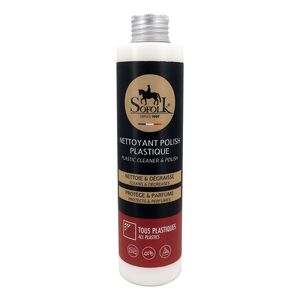 plastic car polish cleanerGives a new look without excessive shine.
9,99 €
View product
-
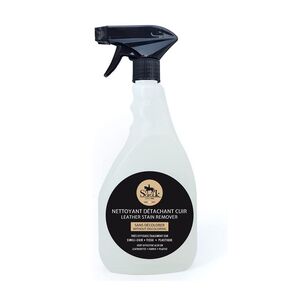 Plastic stain remover cleanerCleaner for leather sofa but also letherette, alcantara, fabric, microfibres.
14,99 €
View product
-
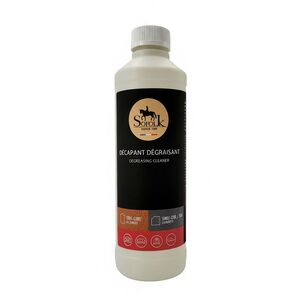 Leather Stripper and Degreaser – Preparation before DyeingPrepare the leather before re-dyeing
12,99 €
View product
Why clean plastic regularly?
Car plastics are under constant stress: temperature changes, UV rays, handprints and splashes.
Without maintenance, they dull, yellow and become porous. Regular cleaning preserves their original shine and extends their lifespan.
Ingrained dirt calls for harsher products that can damage surfaces. Our plastic polish cleaner effectively removes contamination without abrasion and gives a lasting shine (source: product sheet).
Tip: clean regularly on dashboards that are exposed to the sun, and as needed on door panels. A clean interior also holds its resale value.
Types of dirt on car interior plastics
- Dust and fine particles: constant build-up and static electricity. Our polish cleaner contains antistatic agents.
- Fingerprints and grease: stubborn marks on the steering wheel and console. These need decontaminating with the cleaner / stain remover.
- Product residue: build-up of polish and shine spray. Strip it off with the degreasing stripper.
- Food stains: coffee, fizzy drinks, chocolate. Treat immediately with the cleaner / stain remover.
- Nicotine and odours: yellowing and a greasy film. A complete decontamination is needed.
- Aged plasticisers: a tacky feel and lost shine. Regenerate with our multi-surface plasticiser.
The 3 simple steps to cleaning your car's plastic successfully
Step 1: dusting and vacuuming first
Take everything out of the vehicle. Vacuum slots and crevices thoroughly with a brush attachment. Use compressed air to dislodge dust that has settled in the air vents. If possible, remove any detachable parts (ashtrays, storage trays).
This step stops dust from turning into mud during wet cleaning. Patience is crucial: sloppy vacuuming compromises the final result and can cause scratches as particles rub against the surface.
Step 2: applying the specific cleaner
Spray our plastic polish cleaner onto a microfibre cloth, never directly onto the surface (risk of runs). Work in 30×30 cm areas, using circular movements without pressing too hard.
For stubborn stains, pre-treat with our cleaner / stain remover. Change your microfibre cloth regularly so you don't redeposit dirt. Concentrate on the dashboard and the areas you touch most. Leave the product on for 30 seconds before wiping.
Step 3: drying and a glossy or matt finish
Wipe straight away with a clean, dry microfibre cloth, using movements in one direction. For a glossy finish and extra shine, lightly apply our multi-surface renovator that brings out the shine.
For the original matt look, simply leave to dry naturally.
Check under different lighting for marks, streaks and evenness. Air the vehicle for 10 minutes to clear any residue. Successful cleaning revives the original colour.
Techniques by type of plastic (smooth, textured, grained)
- Smooth plastics (instrument clusters, screens): highest risk of scratches. Use an ultra-fine damp microfibre with gentle circular movements. Drying immediately is essential.
- Textured plastics (grained dashboard): dirt becomes ingrained in the relief. Use a soft brush + cleaner / stain remover, and rinse thoroughly.
- Piano black plastics (modern consoles): microscopic scratches show up. Clean in one direction with a specialist product.
- Soft plastics (door trims): more delicate. Dilute the cleaner 1:1 and test on a hidden area.
- Aged porous plastics: highly absorbent. Apply lightly and repeat rather than soaking.
Each type needs the right technique for the best result without damage.
The 9 mistakes to avoid when cleaning plastic
- Household products: ammonia and bleach destroy plastics
- Paper towels: abrasive and leave lint
- Cleaning in direct sunlight: premature drying and marks
- Too much product: saturation and sticky residue
- Dirty cloth: spreads dirt around and scratches
- Scraping: fingernails and cards damage the surface
- Hard water: stubborn whitish deposits
- Mixing products: unpredictable chemical reactions
- Beware of vinegar: too acidic for car plastics
These mistakes cost more than investing in suitable cleaners.
Why maintain car plastics regularly?
Car plastics contain plasticisers that gradually evaporate, causing them to harden and become brittle. UV exposure speeds this up: an unmaintained dashboard ages much faster than a protected one.
Significant temperature stress creates micro-cracks that grow larger. Regular maintenance nourishes the material and keeps it supple and shiny as it was originally. Our multi-surface plasticiser rebuilds the plasticising film. Maintenance also preserves the vehicle's resale value.
7 signs that your plastics need maintenance
- Dull, faded appearance: lost shine and washed-out colours. Plasticisers have evaporated, so regeneration is urgent.
- Rough or sticky feel: modified surface and contamination. Cleaning + nourishing are needed.
- Visible micro-cracks: thermal stress and dryness. Preventive treatment before it gets worse.
- Static electricity build-up: excessive dust. Antistatic agents are essential.
- Numerous scratches: weakened surface and insufficient protection.
- Yellowing: UV oxidation and degraded stabilisers.
- Uneven shine: neglected maintenance on exposed areas.
These signs point to accelerated deterioration if nothing is done. Our free diagnosis will guide you to the right solution.
A 4-season plastic maintenance programme
Spring: deep cleaning after winter
Winter is hard on plastics: salt, damp and excessive heating. Decontaminate with the cleaner / stain remover to remove winter residue. Inspect carefully for new cracks, discolouration and wear.
Apply our multi-surface plasticiser to regenerate and rebuild the plasticiser reserves. Reinforced protection before summer UV exposure.
Summer: reinforced UV protection
The critical period: maximum UV and extreme temperatures. Apply the plasticiser with UV filters twice a month.
A sunshade is a must when parked. Clean the areas you touch weekly. Avoid greasy products that bake in the sun. Inspect often for heat deformation and cracking. Parking in the shade is preferable.
Autumn: preparing for bad weather
A delicate transition: alternating dry and damp weather. Decontaminate summer pollutants: insects, resin and dust.
Apply long-lasting protection before the wet season. Preventive anti-mould treatment on sensitive areas.
Our range stands up to autumn temperature swings. Build up a stock of care products for the winter period.
Winter: maintenance adapted to heating and damp
Heating dries out plastics: maintain less often, but stay regular. Excessive damp encourages mould, so ventilation is essential. Avoid thermal shocks by warming up the vehicle gradually. Clean off salt and mud frequently. Our plasticiser withstands frost down to -20 °C. Extra protection for exposed areas: dashboard and doors.
Preventive vs curative maintenance: save money
Preventive maintenance costs far less than curative treatment.
Preventive: a modest annual cost (plasticiser + cleaner), and your plastics keep a like-new appearance for a long time. Curative: periodic full renovation, which is more expensive. Total neglect: costly replacement.
Beyond the financial side, maintenance preserves resale value, comfort in use and the look of the vehicle.
If your plastics have cracks or significant damage, a plastic repair for bumpers and dashboards before preventive maintenance guarantees a lasting result.
To maximise longevity after cleaning, a long-lasting anti-UV plastic protective lacquer prolongs the shine and withstands repeated washing.
If your plastics need a change of colour, our car plastic paint in all colours perfectly covers dull or faded areas.
Discover our complete range for car plastic renovation: cleaning, repair, paint and protection for all your needs.
Frequently asked questions: properly cleaning your car’s plastics
How often should I clean and maintain car plastics?
The ideal 4-season programme: decontamination in spring, twice-monthly UV protection in summer, preparation for winter in autumn and lighter maintenance in winter.
Cleaning: twice a week for the dashboard, monthly for the door panels.
Maintenance: apply the renovator every 2 months on exposed areas to revive the shine (source: product sheet).
Can I use household products on car plastic?
No, never use household soap. These formulations are unsuitable: aggressive pH, stripping surfactants and perfumes that stain.
Risks: discolouration, weakening and a permanently dull appearance. Interior plastics need specific cleaners that respect their additives: plasticisers, UV stabilisers and colourants.
Our Sofolk products are fully compatible and bring out the shine without damage.
How do I clean a dashboard without damaging it?
Work at room temperature, with the vehicle in the shade. Vacuum thoroughly first.
Use our polish cleaner on a slightly damp microfibre cloth. Gentle circular movements, no pressure.
Dry immediately with a dry microfibre cloth. Always test on a hidden area. Rub gently to remove marks.
How can I slow down the ageing of plastics?
Parking in the shade greatly reduces UV exposure. A sunshade is recommended. Regular preventive maintenance with the anti-UV plasticiser. Regular cleaning prevents abrasive build-up.
Keep the cabin temperature moderate: air it often. Our preventive programme considerably extends their lifespan.
How do I remove stubborn stains from light-coloured plastic?
Pre-treat the stain with the cleaner / stain remover, neat. Leave for 2 minutes. Brush gently with a soft brush. Rinse with a damp microfibre cloth.
If it persists: a bicarbonate of soda and water paste, rinsed off thoroughly. Prevention: treat every stain immediately, and protect light plastics regularly as they are particularly sensitive.
Can I renovate badly damaged plastics with this programme?
Yes, depending on the level of damage.
Method: decontaminate with the degreasing stripper, sand lightly, impregnate with the intensive plasticiser and finish with protection (source: product sheets).
Cracked plastics: repair first with filler, then maintain. Faded colours: they can be re-dyed with our colourant range.
Interior vs exterior plastic maintenance: what are the differences?
Interior: moderate UV exposure but frequent handling, temperature changes and humidity. Gentle products that are kind on contact.
Exterior: maximum UV, bad weather and splashes. Reinforced protection is a must. The same frequency, but with adapted formulations.
Cost of regular maintenance vs replacing your plastics?
Preventive maintenance over the time you own the car: a modest annual cost. Replacing plastic parts: expensive.
Sofolk maintenance generates a noticeable saving compared with neglect and preserves resale value. A very worthwhile investment for any car.


