 FR
 EN
 ES
 IT

Nourishing and moisturising the leather of your shoes
Leather is a skin. Like any skin, it dries out.
Deprived of the fats the tanner put into it, shoe leather loses its suppleness, dulls, then cracks at the flex creases.
Nourishing and moisturising leather means giving these fats back before it breaks: a preventive step that extends the life of a pair, more surely than a late repair.
Nourishing is only one part of care. When a pair also needs colour or restoration, it is better to know how to renovate leather shoes in the right order, from cleaning to protection.
Here is how to look after your shoes day to day.
Our products for nourishing and moisturising your leather shoes
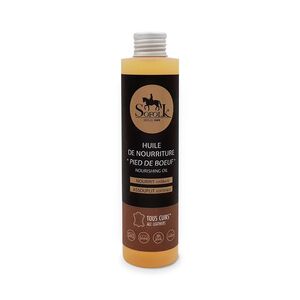
Dry, dull or cracking leather: which care product should you choose?
Before applying anything, look at the condition of the hide. Leather that is thirsty is not treated like leather that is simply dull, and a pair that is already crazed needs something else again.
This quick diagnosis points to the care you need.
| Condition of the leather | The Sofolk care product | What it provides |
|---|---|---|
| Dry, stiff leather that lacks suppleness | Leather nourishing oil | 100% plant-based fluid oil that reaches the inter-fibrillar space, nourishing and softening deeply |
| Everyday care that cleans and nourishes at the same time | Cleaning oil | Half soap, half nourishing oil, two or three times a year |
| Dull leather whose colour has faded | Old-Fashioned Natural Shoe Polish | Beeswax and carnauba wax, revives the colour while nourishing, glossy shine |
| Leather exposed to rain and stains | Protective wax or Waterproofing spray | Satin film or water-repellent barrier, applied last |
When leather pulls tight and hardens, it has lost its fats: the leather nourishing oil, a “neatsfoot oil” now made up of 100% plant-based oils, slips into the heart of the fibres to lubricate them and restore their resistance to stretching.
For quicker everyday care, the cleaning oil combines natural soap and nourishing oil: it cleans the surface and rehydrates deeply in a single application.
If the colour has faded, the old-fashioned natural shoe polish, made with beeswax and carnauba wax, nourishes the leather while reviving its colour, without darkening it. Leather that has become stiff and brittle, on the other hand, is beyond the nourishing stage: it calls for a different treatment.
Nourishing and moisturising your leather shoes in 4 steps
Nourishing always follows the same sequence, whichever product you choose. Start by cleaning, then nourish, make it shine with polish, and protect last of all. Here is the procedure, step by step.
Step 1: clean the leather before nourishing it
A nourishing treatment only penetrates clean leather: spread over dust or old polish, it stays on the surface.
First dust the shoe with a soft-bristled brush, concentrating on the seams and the folds of the upper, then go over it with a barely damp cloth, or a mild cleaner such as glycerine soap, without rubbing dry, which risks scratching the material.
On a really dirty pair, you need to deep-clean stubborn stains beforehand, because set grease durably prevents the treatment from penetrating the fibres.
Step 2: nourish and moisturise the leather deeply
Pour a little nourishing oil onto a clean cloth, or directly onto your hands, and massage in small circular movements to help the treatment penetrate the leather properly.
The oil goes down into the inter-fibrillar space that water does not reach: this is where the real hydration of the leather takes place.
Apply sparingly, without saturating the material, leave to rest for several hours, then wipe off the excess the next day.
Step 3: polish and make it shine
Once the leather is nourished and dry, the shoe polish takes over to restore its shine.
Spread a thin coat of natural polish with a cloth or a brush, covering the whole surface of the leather, leave it to set for a few minutes, then buff with a shine brush or a soft cloth until the shine returns.
A polish in the colour of your shoes enhances the shine while nourishing; if it no longer hides an established discolouration, it is better to revive a dulled colour with a dedicated dye.
Step 4: protect and waterproof last
Protection seals all the previous work, never the other way round. On smooth leather, the protective wax deposits a colourless satin film that protects the grain of the leather and lets water and dust slide off the surface, with that waxy feel of fine leathers.
For a barrier that is more resistant to rain, the water-repellent waterproofing spray, based on silicon nanoparticles, is always applied last of all, once the leather is nourished, waxed and perfectly dry.
This aerosol is suitable even for suede and nubuck, and protects against UV.
How often should you nourish the leather of your shoes?
Healthy leather contains only a tiny amount of fat: there is no need to overfeed it.
In most cases, nourishing once a year is enough; move to two or three applications a year only if the leather is exposed to strong heat, such as being close to a radiator.
Between treatments, a quick brush and a clean cloth after each outing slow down wear and maintain the shine.
Store your shoes away from damp, if possible on a shoe tree that keeps their shape, and always leave them to dry in the open air, away from any heat source that would harden the hide.
Waterproofing after nourishing: the right order
Should you waterproof leather shoes? Yes, but never first.
A waterproofing product applied to dry leather seals in its dryness: the water-repellent barrier then prevents any treatment from penetrating.
The correct order is always the same: you clean, nourish, wax, then waterproof as the very last step. This water-repellent spray then forms an invisible shield that lets water bead without blocking the breathing of the fibres.
A surface moisturiser, for its part, never replaces the fat that only oil brings to the heart of the leather.
Nourishing is not cleaning: two steps not to be confused
Covering a shoe that is still dirty with care product is the most widespread mistake: the grease then traps the dust instead of nourishing the hide.
Nourishing always comes after a good clean, never before. It also has its limits: oil softens dry leather and fades emerging micro-cracks, but it does not mend a hide that is already split.
When the splits are open, you first need to close the deep cracks in the leather of your shoes, then resume the nourishing treatment to stop further fissures reappearing on the flex zones.
Why choose Sofolk to nourish your leather shoes
What sets Sofolk nourishing care products apart lies first of all in their composition.
The polish draws its substance from beeswax and carnauba wax, the nourishing oil contains only fats of plant origin, and the glycerine soap gets its gentleness from a plant-derived glycerine.
None of these formulas saturates the leather or smothers it under a synthetic film: they simply give back to the hide what it loses through wear.
This preventive approach is the secret of leather that lasts: care given in time takes less effort than a pair to repair once cracks have set in.
Formulated and made in the Gironde by a company that has worked in leather care for three decades, these products are used at home; if you are unsure about a delicate leather, an adviser answers by telephone and the mutual-help forum complements each tutorial.
Frequently asked questions about nourishing and moisturising leather
How do you nourish the leather of your shoes?
First clean the shoe, then pour a little nourishing oil onto a cloth or onto your hands and massage the leather in circular movements.
The oil penetrates to the heart of the fibres to soften them and prevent cracks. Apply sparingly, without saturating the material, leave to rest for several hours, then wipe off the excess.
Finish with a shoe polish to enhance the colour.
How do you moisturise dry leather shoes?
Dry leather is not rehydrated with water but with fats. A fluid nourishing oil, based on plant oils, goes down into the inter-fibrillar space that water does not reach and restores the leather's suppleness.
Avoid surface creams, lotions and balms, which cannot nourish the fibre deeply, as well as greasy home remedies that stain the material.
How often should you nourish your leather shoes?
Healthy leather contains only a very small amount of fat, so nourishing once a year is enough in most cases.
Move to two or three applications a year only if the leather is exposed to strong heat, such as being close to a radiator.
Between treatments, a quick brush and a clean cloth after each outing maintain suppleness and shine.
Should you waterproof leather shoes?
Yes, but always last, once the leather is clean, nourished and waxed. A waterproofing product applied to dry leather traps its dryness and prevents treatments from penetrating.
The Sofolk water-repellent waterproofing spray, based on silicon nanoparticles, then forms an invisible shield against water and stains, without smothering the material, and is suitable even for suede and nubuck.
Which natural product should you use to nourish leather?
Sofolk relies on formulas of natural origin. The old-fashioned natural shoe polish combines beeswax and carnauba wax to nourish while reviving the colour, while the nourishing oil contains only plant oils.
These care products give the leather back its fats without covering it with a synthetic film, and respect the breathing of the hide.


