 FR
 EN
 ES
 IT

Caring for Leather Goods: Nourish, Protect and Waterproof
A well-cared-for leather bag can be recognised by touch: supple, soft, with a rich colour and a patina that improves over the years. Without care, the same leather dries out, cracks at the folds of the handles and loses its colour at the corners.
Caring for leather goods comes down to a few simple steps, to be repeated once to several times a year: clean, nourish, protect, waterproof.
This guide helps you choose the right products for your leather and apply them in the right order.
Our products for caring for your leather goods
-
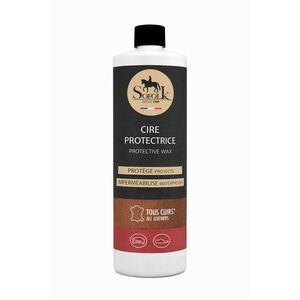 LEATHER PROTECTIVE WAXProtects the leather grain and gives it a “candle-wax” feel
19,99 €
View product
-
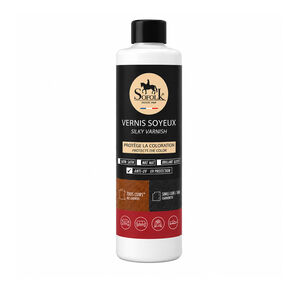 LEATHER SOFA VARNISHProtects the colour and grain of the leather from rubbing and dirt
20,99 €
View product
-
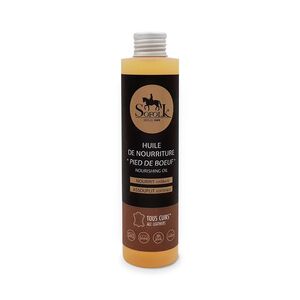 LEATHER NOURISHING OIL: SOFAS, CAR SEATS, JACKETSDeeply nourishes and softens leather, including cracked leather
19,99 €
View product
-
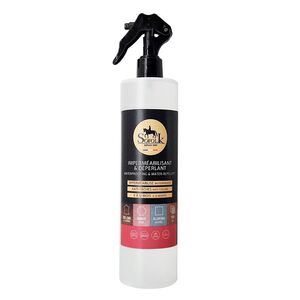 Water-repellent anti-stain waterproofer for leather and fabricWater-repellent: water, oil and stains no longer stick
24,99 €
View product
-
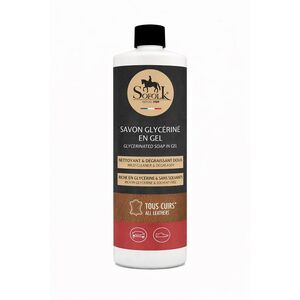 Glycerine leather soap: gentle cleaner for sofas, saddlery, shoesGentle vegetable glycerine cleaner, solvent-free
9,99 €
View product
The four care steps, in order
- 1. Clean: glycerine soap gently removes dust and everyday marks, without drying out the leather. Clean leather absorbs the care that follows better.
- 2. Nourish: nourishing oil, 100% plant-based, gives the leather back the natural oils it loses through use and restores its suppleness.
- 3. Protect: protective wax or silky varnish lay down a film that shields the grain and colour of the leather from rubbing.
- 4. Waterproof: the waterproofing protector makes water, oil and liquids bead up on the surface; it is always applied last.
Nourishing the leather of a bag or wallet
On clean, dry leather, spread the nourishing oil by hand or with a soft cloth, in a thin, even layer, concentrating on the folds of the handles and the areas that rub. The penetration time depends on the porosity of the leather: from a few minutes to several days. Leave it to work for as long as possible; if you need to use the item, simply wipe off the excess with a microfibre cloth.
Allow for at least one nourishing treatment a year, more for a bag exposed to heat or used every day.
- Fine lambskin, especially dark: oil is not recommended, as it disperses poorly and leaves a dark stain, as if wet.
- Suede and nubuck: oil is also not recommended, for the same reason.
- Faux leather: unnecessary, it cannot be nourished.
Wax or varnish: protecting the grain and the colour
Once the leather has been nourished, a protective layer shields it from rubbing, dust and grime. You choose one or the other, never both.
- Protective wax lays down a colourless, satin film with a “candle” feel that enhances patinated and vintage leathers. Water-based, it is easy to apply with a microfibre cloth, then buff. It withstands rubbing less well than a varnish and therefore needs renewing more often. It is not suitable for suede, nubuck or faux leather.
- Silky varnish rebuilds the leather’s original finishing layer and gives it back a silky feel. It withstands wear better, protects against UV and allows the colour to be touched up over it if needed. For maintenance, one or two coats a year are enough on the areas that get the most wear.
If you have nourished the leather, wait about 7 days before applying the varnish, on a thoroughly degreased surface: otherwise the oil would slow its adhesion.
Waterproofing against rain and stains
For a bag that goes out in all weathers, the SOFOLK waterproofing protector forms an invisible barrier on which water and liquids bead up instead of soaking in. Colourless and odourless, it lets the leather breathe and is also suitable for suede, nubuck and fabrics. Spray it on as the final step, on a clean, dry item, in an even layer, then leave to dry before use. Its protection lasts 6 to 12 months depending on wear.
A simple schedule for your leather goods
- Every week: a dusting with a dry cloth.
- When the leather dulls: a clean with glycerine soap.
- At least once a year: nourishing with oil, then wax or varnish.
- Once or twice a year: waterproofing, especially before winter.
Need a deeper clean or have a stubborn stain? See our page on cleaning leather goods. For a scratch or a worn corner, see how to repair leather goods, and find all our care products in the leather goods section.
Frequently asked questions
How do I care for a leather bag so that it lasts?
Clean it regularly with glycerine soap, nourish it with oil at least once a year, protect it with a wax or varnish and waterproof it if it goes out in the rain. Store it stuffed with paper, away from direct light.
Can you use wax and varnish on the same bag?
No: use one or the other. Wax suits patinated leathers and gives a satin feel; silky varnish withstands rubbing better and protects against UV.
Should you nourish a faux leather bag?
No, faux leather cannot be nourished: oil and wax are of no use to it. Regular cleaning with glycerine soap is enough, supplemented if needed with a waterproofing protector.
How long should oil be left to work on a leather bag?
As long as possible: from a few minutes to several days depending on the porosity of the leather. If you need to use the bag, simply wipe off the excess with a microfibre cloth.
How do I protect a suede bag?
No oil, no wax: on suede and nubuck, the only suitable protection is the waterproofing protector, applied to a clean, dry item. It makes water bead up without marking the nap.


